BEA
Scroll down
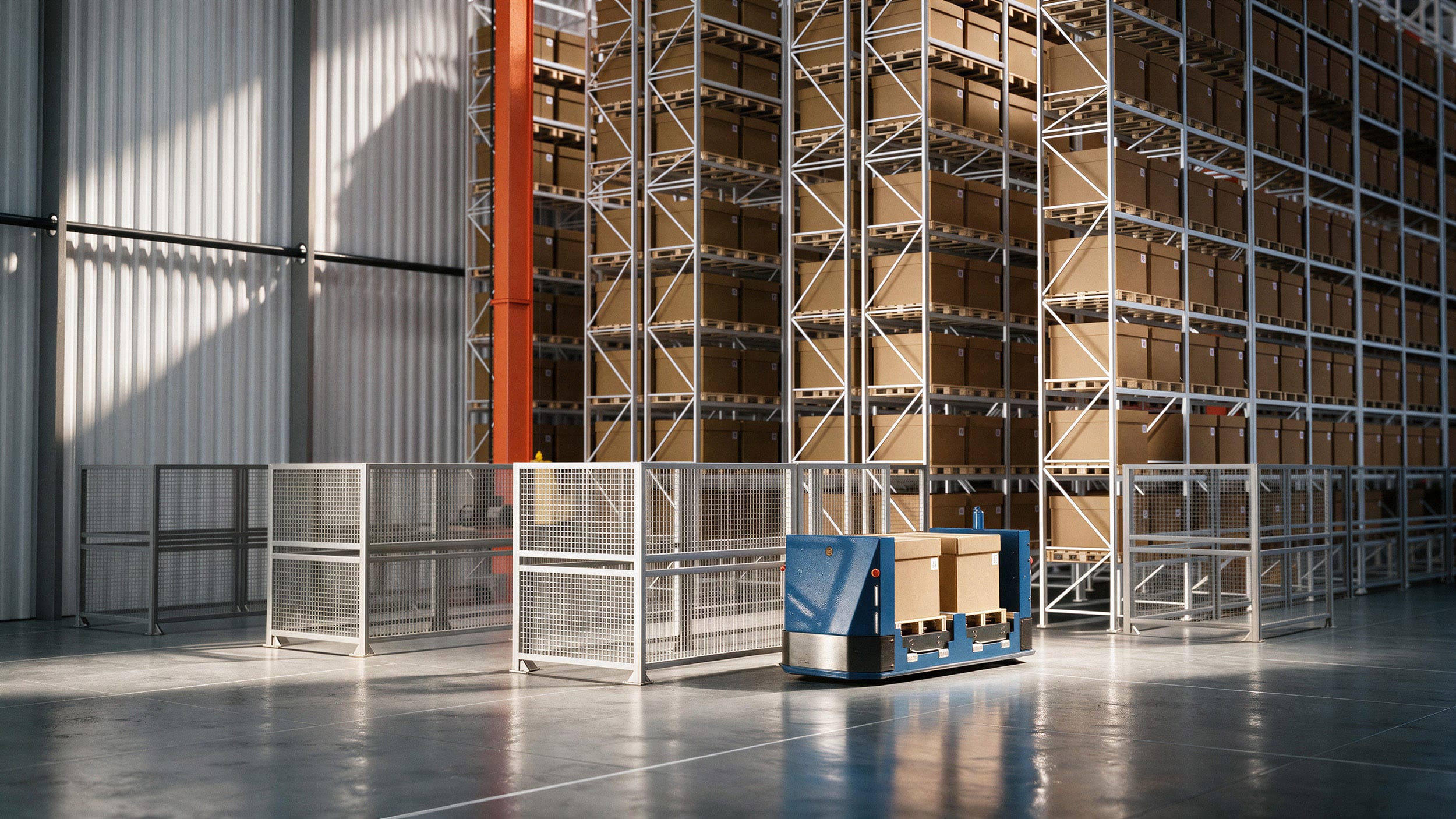
Our collaboration with BEA Sensors started over fifteen years ago and has grown into a long-term creative partnership. During that time, BEA has expanded its sensing solutions worldwide, and we’ve worked alongside their teams to translate highly technical products into clear, visual stories for European, American, and Asian markets.
The objective has never been to simply “show” a product, but to make its purpose immediately understandable.
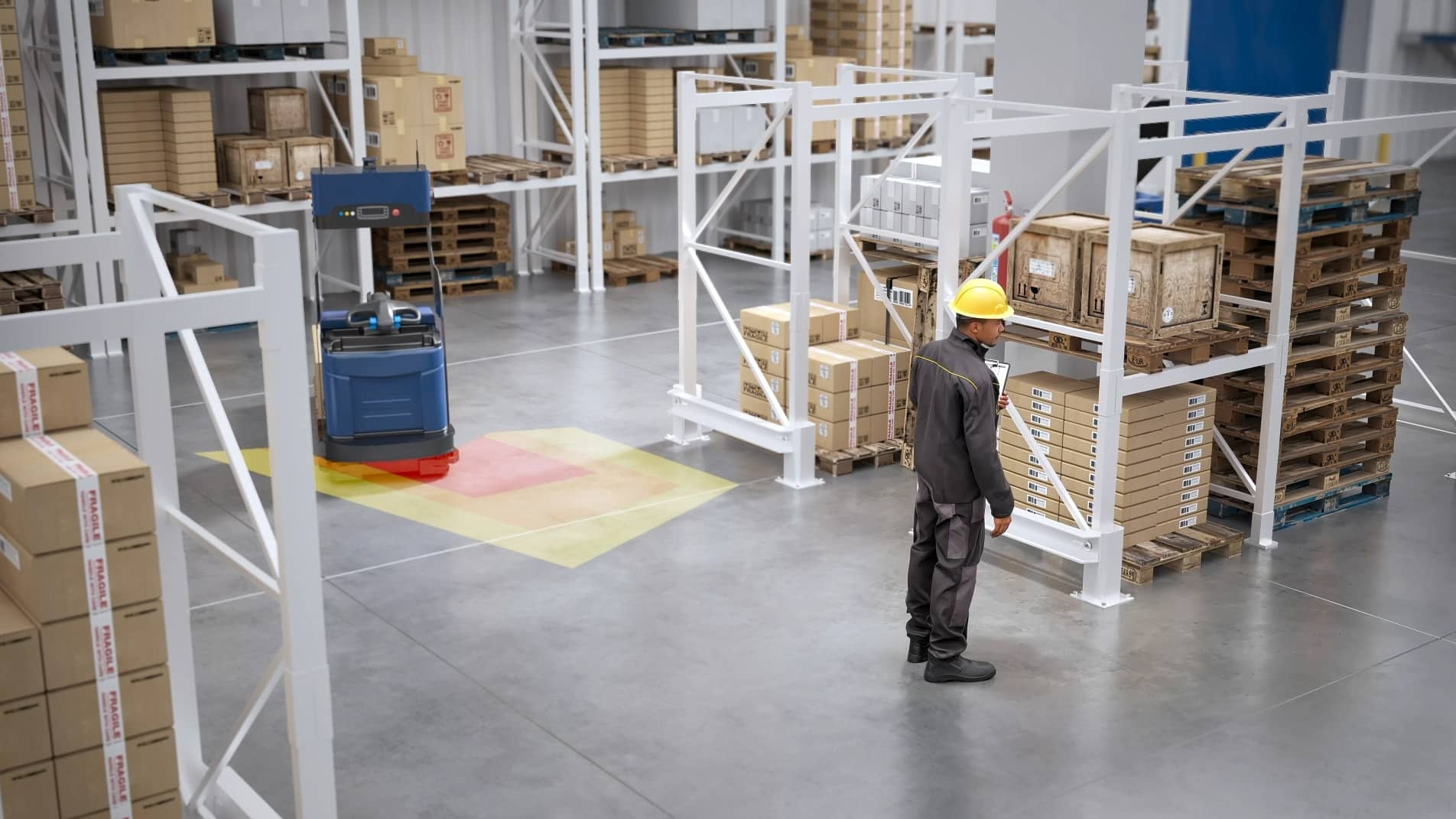
BEA’s technology operates where the human eye can’t: laser curtains, detection fields, safety zones, and decision logic. One of our key challenges has been to give form to these invisible elements without turning them into abstract diagrams.
By combining realistic environments with carefully designed graphic overlays, we reveal how doors and automated robots perceive their surroundings and react in real time to ensure safety.
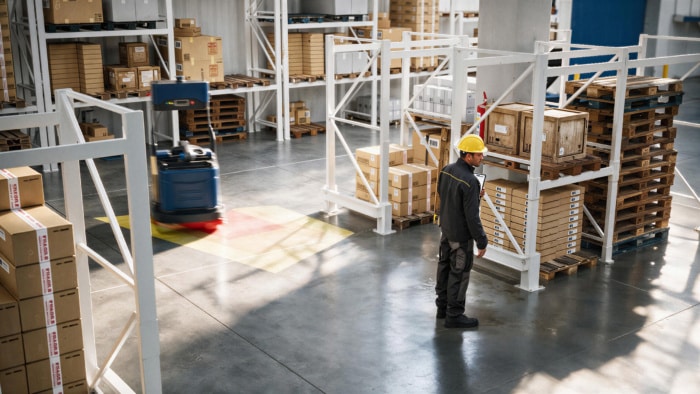
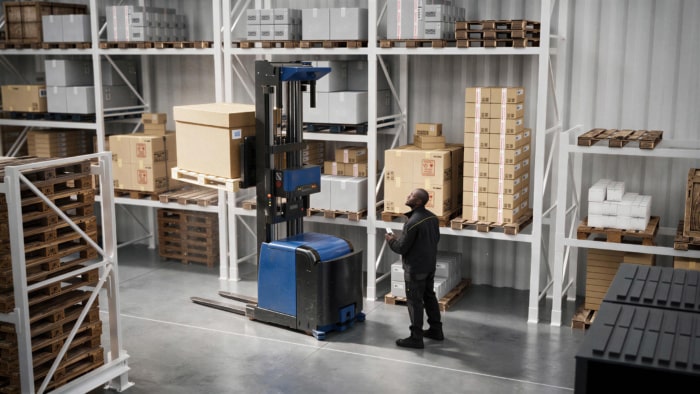
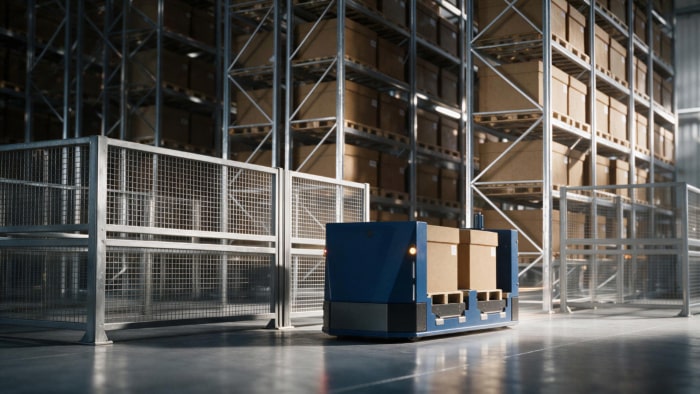
Many of the scenarios we illustrate involve humans moving next to automatic doors or crossing paths with AGVs in warehouses. Representing these interactions convincingly is essential, as safety is the core message.
Over the years, we’ve refined how we integrate human presence, movement, timing, and behavior, so that it feels natural and supports the technical explanation rather than distracting from it.
From logistics centers with autonomous vehicles to shops, offices, and public buildings, BEA’s products live in very different environments.
This variety allows us to explore multiple visual styles, architectural references, and regional contexts while keeping a consistent narrative focus: explaining why sensor-based safety matters in everyday life.
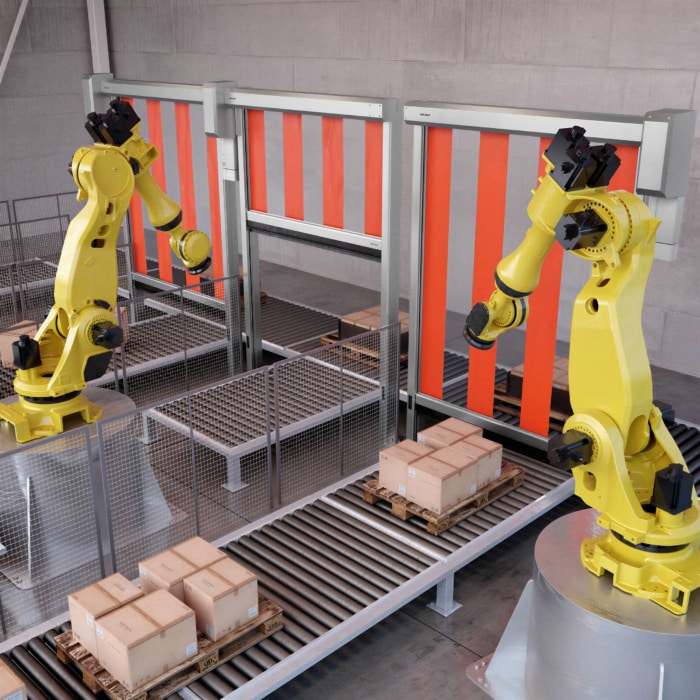
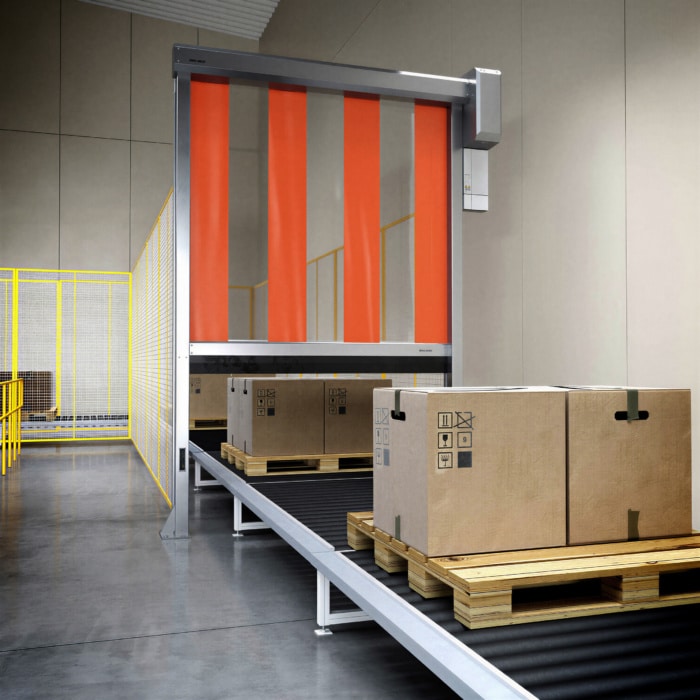
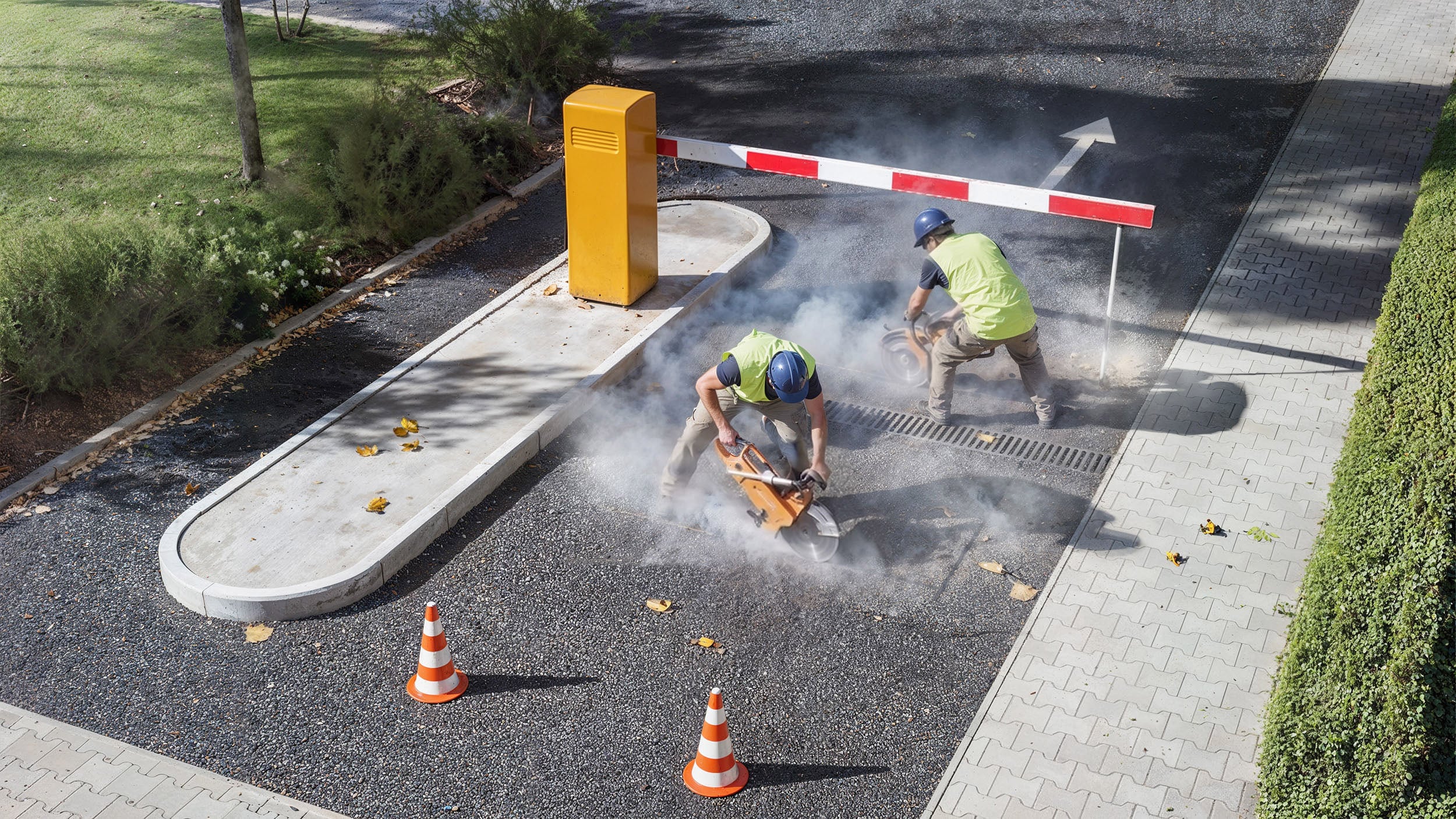
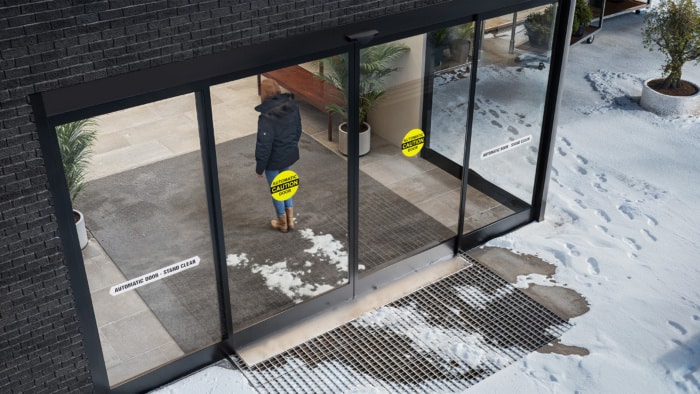
Fifteen years of collaboration means shared knowledge, mutual trust, and continuous improvement. As BEA’s products evolved, so did our way of telling their story, becoming more precise, more visual, and more educational.
Seeing these sensors at work in real buildings and businesses is a constant reminder that our images and videos support technology that people rely on every day.